Guest writer Michelle Hickling, a film photographer based in Nottinghamshire, UK, shares insights on the creative power of deliberate slowness and intentional limitation.
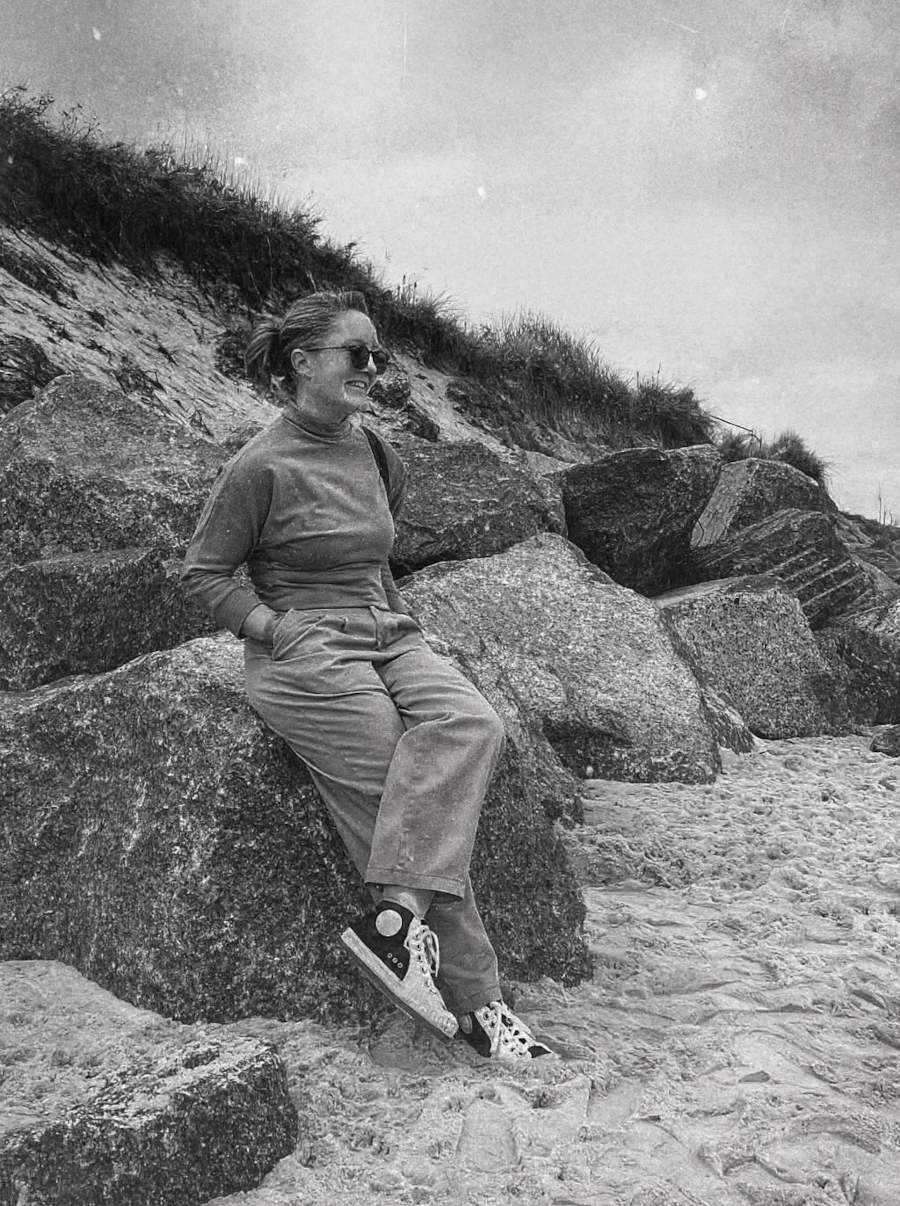
MICHELLE HICKLING
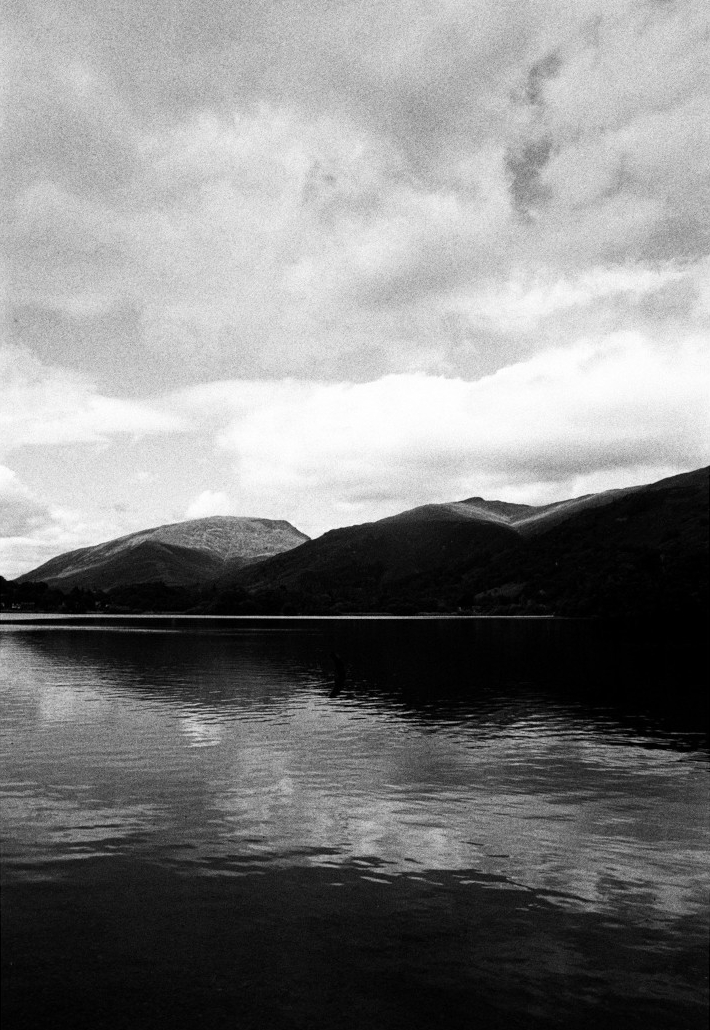
I've always been drawn to the outdoors — spending more time outside than in, ever since I can remember. It's in these landscapes that I feel most at home, and it's through black-and-white photography that I try to capture their quiet, dramatic nature. Inspired by the legacy of Ansel Adams and a love for all things vintage, my work is a small ode to the nostalgia of a slower world.
As my journey continues, I'm excited to move further into the craft — developing my own negatives and one day printing my images in a home darkroom, hands in the chemicals, just like the photographers who came before me.
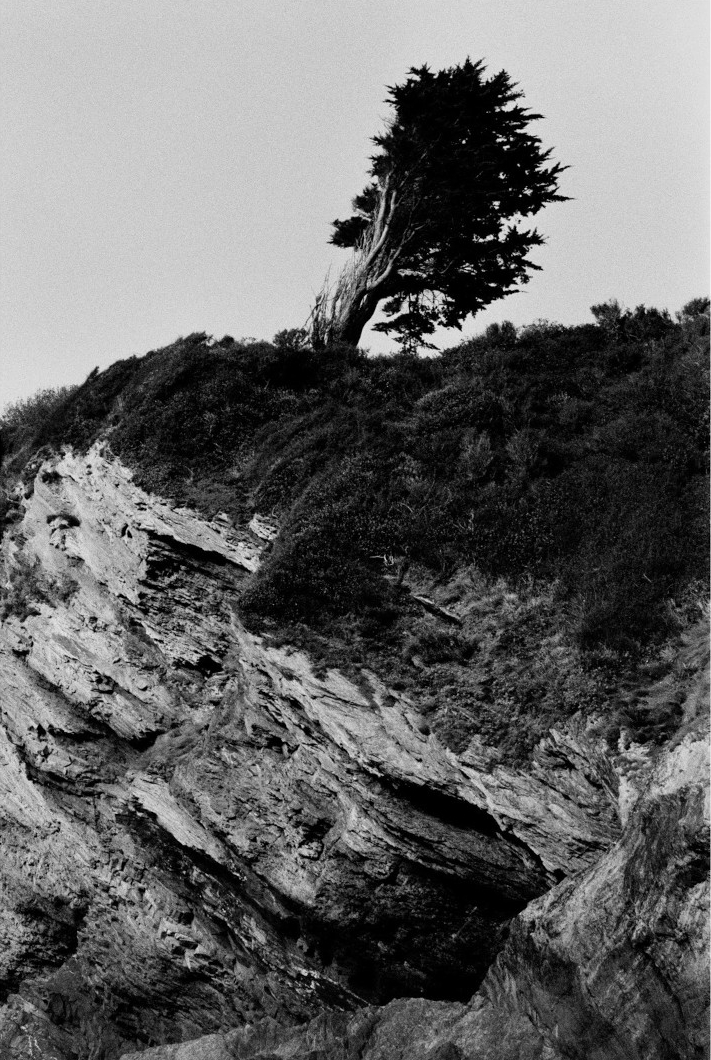
Creative minimalism begins the moment you stop chasing endless possibilities and start working within your tools. For me, it became the perfect antidote to "paralysis by analysis." Early in my film photography journey, I thought more cameras, lenses, and film stocks meant growth — and for a while, they did. But I quickly realised that too many choices were diluting my vision. Real progress began when I focused on one camera, one lens, one film — and learned to see deeply through them.
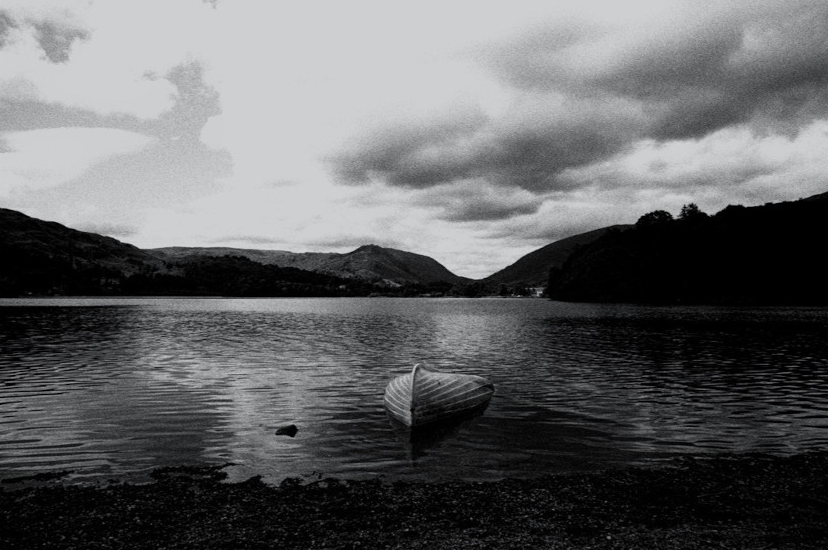
THE POWER OF CONSTRAINT
By committing to a simple, consistent setup, my attention shifted to composition, light, timing, and emotion — the true foundations of photography. Minimising my gear was never about restriction; it was freedom from noise. Using a single prime lens on one camera has fostered a closer connection with composition, enhanced my spatial awareness, and promoted consistency in image rendering. Mastering a single focal length has allowed me to intuitively visualise each frame before even raising my camera.
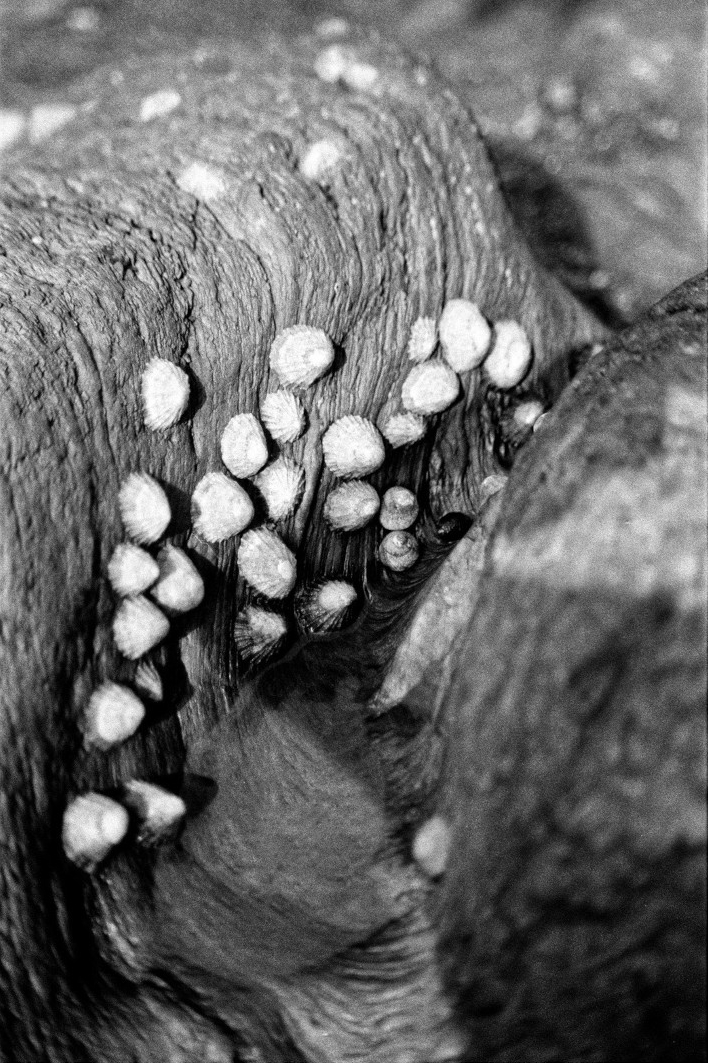
FILM'S NATURAL LIMITATIONS
Film photography itself imposes limitations — the finite number of exposures on a roll, the lack of instant feedback, or the constraints of certain film stocks. These limitations slow you down and create intentionality. Embracing them has been liberating, helping me focus on what truly matters: composition, lighting, and moment. The unpredictability of film adds an element of surprise and discovery, something digital photography cannot replicate. Paired with the slower, meditative pace film naturally imposes, analogue photography offers a uniquely rewarding experience.
GROWTH THROUGH VARIATION
That said, I understand that I will eventually plateau if I never vary anything. Switching between black-and-white and colour film teaches tonal versus colour thinking. Adjusting ISO explores the grain-versus-speed tradeoff. Different focal lengths shift spatial compression, and experimenting with metering broadens exposure strategy. I no longer feel the need to own or use lots of gear; occasional variation expands my understanding intentionally, not chaotically.
DEPTH FIRST, BREADTH LATER
My current "one camera, one lens, one film stock" approach has stripped away decision fatigue. I'm not learning less — I'm learning depth. In the future, variation will teach breadth. Both are essential, but depth first is my chosen path for developing a strong personal eye. For now, I have found freedom in constraints.
It's a quiet rebellion against the "more is better" mindset. My philosophy of reduction isn't just technical; it's creative. Film photography asks for nothing more than one camera, one lens, one roll of film, and curiosity — and in return, it offers freedom.
A NOTE FROM LENS PUNK
When Michelle submitted this essay, I found myself nodding along to every paragraph. She's articulated perfectly what I've been thinking - that somewhere along the way, endless options stopped helping and started hindering.
Back in college I had a Pentax K1000 and a 50mm lens. That simple setup worked for years. A minimalist approach doesn't need to feel restrictive - as Michelle writes, it's freedom from noise. This isn't about suffering through limitation - it's about choosing what matters and giving more to the crafting of images. Thank you, Michelle, for sharing this perspective.
Connect with Michelle
Instagram: @bokeh_and_brass